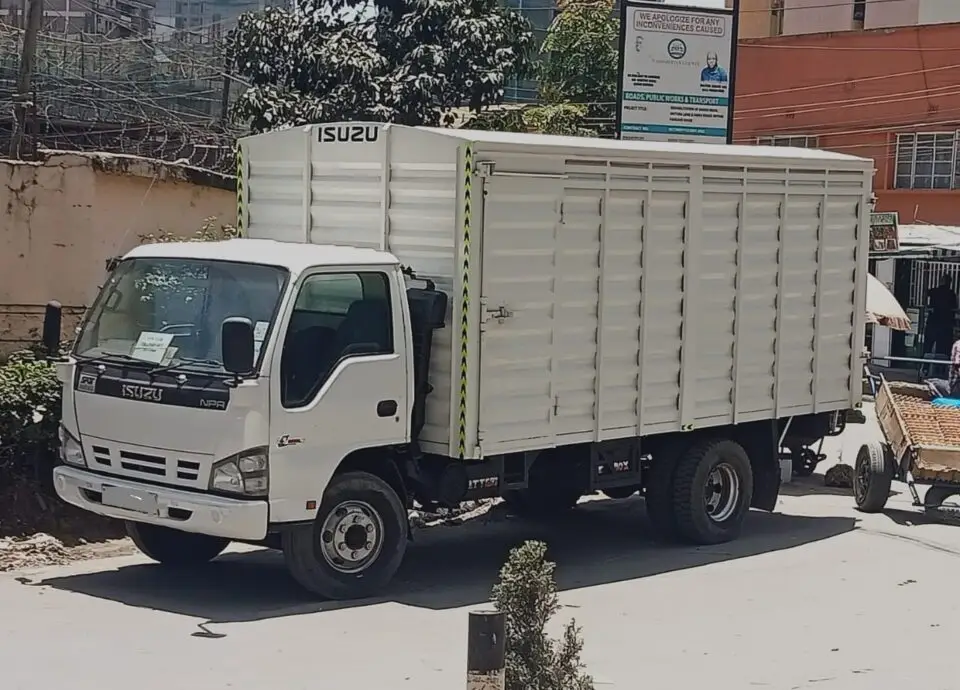


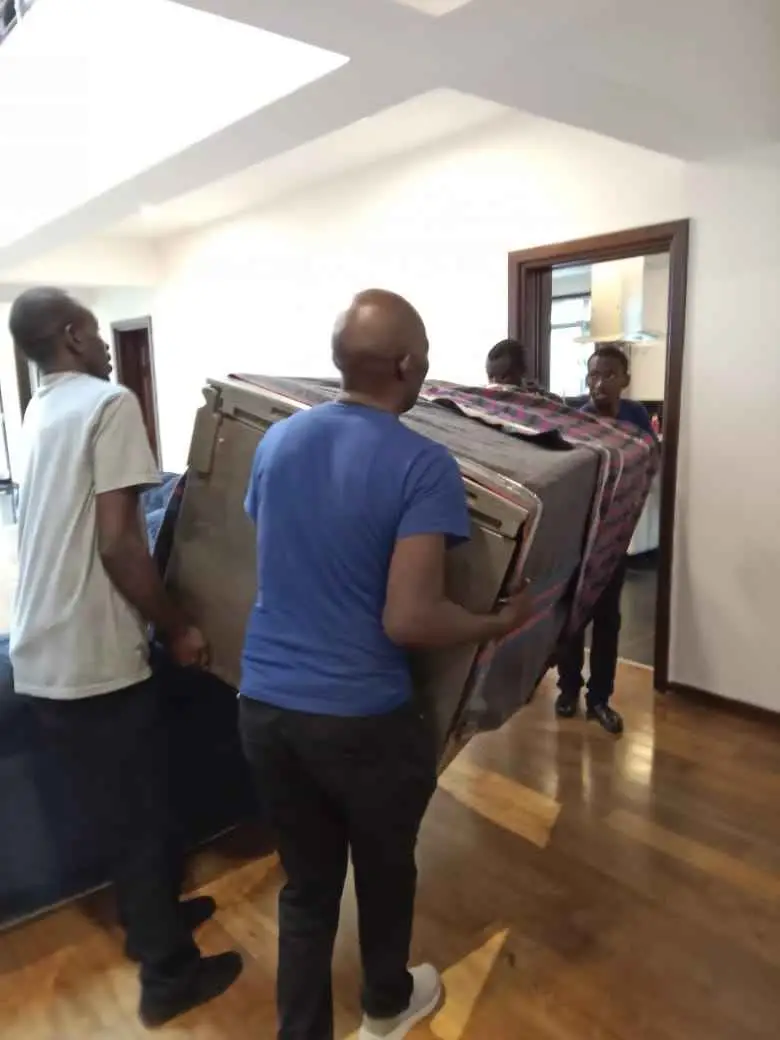
Moving in Kenya can feel simple on paper until you factor in Nairobi traffic, apartment lift bookings, tight estate access roads, and the small detail that life still has to go on while your home is in boxes. A good checklist turns that pressure into a plan.
This 6-week countdown is built for real Kenyan moves, whether you are shifting houses within Nairobi, relocating to another county, or coordinating a cross-border move with shipping and customs in the background.
Why a Kenya-specific moving checklist helps
A Kenya move has a few predictable pinch points: weekday versus weekend pricing, last-minute building rules, and utility transfers that need more than one call. If you plan early, you get better mover availability, more choice on dates, and time to reduce what you are actually transporting.
It also helps you budget with fewer surprises. Many local moves within Nairobi for a 1 to 3 bedroom home often fall around KSh 10,000 to 25,000 depending on access, volume, packing needs, and timing. Longer-distance moves or larger homes can rise well beyond that.
6 weeks before: set the date, choose movers, start decluttering
The biggest win at this stage is locking your moving day and reserving a professional team. Good movers get booked early, especially at month-end. If you can move mid-month and on a weekday, it is often easier to secure preferred time slots and avoid peak demand.
At the same time, start reducing volume. Less stuff means fewer boxes, faster loading, and a smaller truck. Sell or donate what you do not want to carry into the next home.
After you have picked a moving date, gather supplies so packing can start gradually rather than in a stressful rush.
- Cartons and wardrobe boxes
- Packing tape and markers
- Bubble wrap, wrapping paper
- Mattress covers, stretch film
- Old towels and blankets
Notify your current landlord or agent early (many agreements require about 30 days’ notice). Ask about the exit process: inspection timing, repaint expectations, and how deposit refunds are handled.
5 to 4 weeks before: utilities, address changes, and a packing system
Now you want admin tasks moving in parallel with packing. Start with utilities and service providers because appointment calendars fill up quickly.
Plan disconnection or transfer for:
- Electricity (Kenya Power tokens or postpaid accounts)
- Water and sewer (Nairobi City Water and Sewerage Company or your local supplier)
- Internet and TV (book installation dates early)
- Security, gardening, refuse collection, LPG arrangements where applicable
Also update your address where it matters: bank and SACCO records, employer HR, school communications, delivery apps, and insurance providers. If you receive physical mail, arrange forwarding or update senders directly.
Packing should follow a simple repeatable pattern: pack non-essentials first, label by room, and keep similar items together. A clear labelling system saves hours during unloading.
3 weeks before: confirm access, parking, and any building rules
By week three, your move is close enough that small logistical issues can cause big delays. Confirm access at both ends.
Apartments and office blocks may require:
- Lift reservations
- Loading bay schedules
- Management approvals for moving trucks
- Protective padding for lifts or corridors
- Specific moving hours, especially in mixed-use buildings
If you are moving in Nairobi or Mombasa, also think about timing to reduce time stuck in traffic. Early morning loading often helps, and it keeps the day flexible if rain shows up later.
This is also a good time to speak to your mover about items that need special handling: large mirrors, glass tables, heavy safes, servers, or fragile artwork.
2 weeks before: protect valuables, plan cashflow, and firm up the inventory
Two weeks out is ideal for preparing an inventory. Even a basic list helps with accountability during loading and unloading. If you are moving as a business, document key assets (laptops, monitors, printers) and back up important data.
Financial planning matters here too. Keep a buffer for small extras that show up on moving week, like a last-minute carton run, extra wrapping, or an additional trip if access is tight. Many households also set aside a small cash amount for tips or incidental expenses on the day.
If you have unusually large cargo, ask about transport rules. Standard household moves do not need permits, but oversize loads (very wide, tall, or long items) can require special approvals from KeNHA depending on dimensions. A professional mover should guide that process if it applies.
1 week before: pack the “open first” items and confirm every appointment
At one week, most of your home should already be in cartons except daily essentials. Confirm your mover’s arrival time, truck size, crew size, and whether disassembly and reassembly is included for beds, dining tables, and wardrobes.
Prepare a box or bag that stays with you, not in the truck, so your first night is comfortable even if you are too tired to unpack.
- Documents: IDs, passports, lease papers, school letters
- Medication: prescriptions, basic first-aid items
- Power and internet: chargers, extension, router (if you own it)
- Night one basics: toiletries, towels, a change of clothes
- Kitchen minimum: cups, spoon, snacks, bottled water
If you have children or pets, arrange where they will be during loading. Even a helpful relative can make the day calmer and safer.
Moving day: simple checks that keep everything on track
Start early, eat something, and keep water nearby. Kenyan moving days can be hot, dusty, or rainy depending on season, and fatigue causes mistakes.
Do a quick walkthrough before loading starts:
- Photograph fragile or high-value items (helpful for condition records)
- Separate items that must not be loaded (documents, laptops, jewellery)
- Confirm what goes first into the truck (often big furniture, then cartons)
During loading, have one person available to answer questions and direct traffic. If you are in an estate with limited parking, coordinate with security or your caretaker so the truck is not blocked.
When you arrive, guide placement by room to reduce rework. It is faster to move cartons once than to keep shifting them later.
Record final meter readings where relevant, return keys formally, and keep any handover notes in writing. If you are leaving a rental, a quick “broom-swept” clean often helps your inspection go smoothly.
A 6-week snapshot you can screenshot
The timeline below summarises the focus areas so you can quickly see what should be happening each week.
| Time to moving day | Main focus | What to action |
|---|---|---|
| 6 weeks | Booking and decluttering | Choose mover and date, start selling/donating, buy supplies |
| 5 to 4 weeks | Utilities and packing rhythm | Transfer/cancel services, begin packing non-essentials, label rooms |
| 3 weeks | Access and logistics | Confirm lift/parking, plan traffic-friendly timing, flag fragile items |
| 2 weeks | Inventory and protection | List key items, back up data, set aside valuables, plan cash buffer |
| 1 week | Final confirmations | Pack essentials bag, confirm mover details, arrange kids/pet care |
| Moving day | Execution and handover | Supervise loading, direct unloading, meter readings, keys and inspection |
Special cases in Kenya: upcountry routes, offices, and international moves
Some moves need extra planning because distance and infrastructure change the risk profile.
Upcountry moves can involve murram roads, narrow bridges, steep drives, and areas where rain changes road conditions quickly. Share accurate location details with your mover, including nearby landmarks, gate size, and road surface. If you are moving to a rural homestead, consider arranging local help for access and directions, especially if reception is poor.
Office relocations work best with a simple phasing plan: critical teams first, then files, then the rest. A weekend move can reduce downtime, though it may cost more. If your business cannot stop operations, a staged move with clear labelling and an agreed floor plan saves time.
International relocations add document lead times. You may need passports, work permits, inventories, and customs documentation depending on your direction of travel. If you are shipping household goods, clarify what qualifies as used personal effects, how insurance is handled, and what the port or airport clearance process will look like once the shipment lands.
What a full-service mover can handle for you
Many people think movers only carry boxes. A professional team can do much more, especially when time is tight and you want fewer moving-day decisions.
When comparing providers, ask clear operational questions so you know what is included and what is optional.
- Packing scope: do they pack everything or only fragile items?
- Disassembly and reassembly: beds, wardrobes, office workstations
- Insurance: goods-in-transit cover options and claim process
- Scheduling: weekday availability, early morning slots, same-day moves
- Storage: short-term holding if your move-out and move-in dates do not match
Dial and Move Kenya provides end-to-end relocation support for homes and businesses, including packing and unpacking, careful transport, furniture disassembly and reassembly, storage, and insured moves across Kenya and beyond. For customers who want to speed up quoting, a video survey can help confirm volume and access without delays.
If you are planning a move soon, a practical next step is a quick inventory and a site check (or video walkthrough) so your quote matches your actual needs, not a guess. That is where moving day starts feeling manageable again.