


Packing well is what turns a move from chaotic to controlled. In many Kenyan homes, you are packing a mix of everyday basics, treasured decor, heavy hardwood furniture, and a few items that do not fit neatly into “fragile” or “not fragile” categories (hello, jiko and wife sets).
A room-by-room method keeps you organised, helps movers load safely, and makes unpacking faster because each box already “belongs” somewhere.
Set up a simple packing plan before you touch a box
Start by picking a packing pace you can keep. If you are working full time, a steady evening routine beats last-minute all-nighters.
Make three decisions early: what you are not moving, what you will pack yourself, and what you want professionals to handle (large furniture, fragile sets, electronics, long-distance trips).
After you have that plan, gather your supplies and set a “packing corner” in the house where boxes, tape, markers, and wrapping stay together.
- Cartons (small, medium, large)
- Strong packing tape
- Marker pens
- Bubble wrap or clean packing paper
- Old towels, duvets, lesos, hoodies (great cushioning)
- Zip-lock bags for screws and small parts
Your “Kenya-proof” packing rules (so boxes survive the road)
Road vibrations can be rough on loose packing, even on short routes. Cobblestones, murram stretches, bumps at estate entrances, and stop-start traffic all add movement inside the truck.
Use these rules as your baseline: heavy items in small boxes, lighter items in bigger boxes, and no half-empty cartons unless you fill the gaps with cushioning. If a box can flex when you lift it, it will crush when stacked.
A labelling system should be simple enough that anyone can follow it, even when tired.
- Room: Kitchen, Master Bedroom, Living Room
- Contents: Plates, pantry dry goods, cables
- Handling: Fragile, This Side Up, Heavy
- Priority: Open First, Open Later
Room-by-room packing snapshot
The table below gives you a practical structure to follow. Stick it on the fridge, then tick off one room at a time.
| Room | What to pack first | Best packing method | Kenyan home notes | Suggested label |
|---|---|---|---|---|
| Kitchen | Dry goods, rarely used appliances | Plates on edge, glasses upright, seal liquids | Empty and cool jiko; wrap sufurias well | “Kitchen: Fragile” |
| Bedroom | Off-season clothes, extra bedding | Wardrobe boxes or bags; bag screws for beds | Kitenge, suits, gomesi need cleaner packing | “Master BR: Open First” |
| Living room | Books, decor, frames | Small boxes for books; wrap frames individually | Carved stools and beadwork need padding | “Living: Fragile Decor” |
| Bathroom | Backups and non-daily toiletries | Tape lids; place liquids in a plastic bin | Carry medicine separately | “Bathroom: Liquids” |
| Home office | Files you do not need daily | Folder boxes; label cables | Keep sensitive documents with you | “Office: Important” |
| Store/balcony | Non-essentials | Group by type; protect sharp tools | Think about dust, rain, and soot | “Store: Mixed” |
Kitchen: protect breakables and prevent spills
Most breakages during a move come from two causes: stacking plates flat, and letting items rattle in half-empty boxes. Pack plates vertically, like records, with paper or bubble wrap between them. Glasses and mugs should travel upright with cushioning around each one.
Sort the kitchen before packing. Throw out expired items, finish open sauces, and avoid moving perishables if you are travelling far or dealing with delays.
Seal anything that can leak. Cooking oil, honey, sauces, detergents, and spices should be tightened, taped, then packed upright.
Kenyan kitchens often have a jiko, sufurias, and heavy cast-iron or thick aluminium cookware. Heavy items can break a carton if you overfill it, so keep those loads small and tight.
If you have a gas cylinder, handle it as a special case. Empty or secure it properly and ask your movers what they allow on the truck.
Bedrooms: keep clothing clean and bed parts easy to rebuild
A bedroom is usually the quickest room to pack if you avoid overthinking it. Begin with what you do not wear weekly, then work towards daily items as moving day nears.
For hanging clothes, wardrobe boxes are ideal, but you can also keep clothes on hangers and slide them into large plastic bags, tying the bag at the hook. It saves time and reduces creasing.
Kitenge, suits, wedding outfits, gomesi, and special occasion wear deserve extra care because dust and friction can mark fabric during transport. Use garment bags if you have them, or wrap clean clothes in clean sheets.
When dismantling beds, bag all bolts and screws and label them clearly. Tape that bag to the headboard or the bed frame so it cannot get lost in a “mixed hardware” carton.
One sentence that will save you hours: take photos of how things fit before you dismantle them.
Living room: manage electronics, books, and decor like a pro
Unplug and photograph cable setups before you pack. Put each device’s cables in a labelled bag and keep it in the same box as the device where possible.
TVs and monitors are safest in their original boxes, but if you no longer have them, use thick blankets and a snug carton. Avoid laying a TV flat if you can transport it upright with support.
Books are deceptively heavy. Pack them into small boxes only, and fill any gaps so they do not shift and damage corners.
Many Kenyan homes have handmade decor: Maasai beadwork, wooden carvings, woven baskets, pottery, framed art, and family portraits. Each item should be wrapped individually, then packed so that it cannot touch another hard surface.
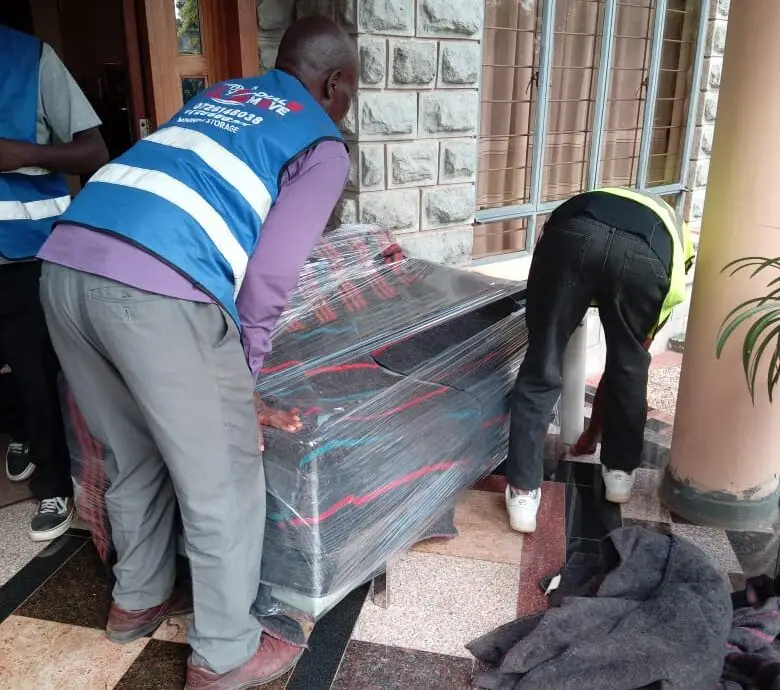
If you have rugs or kikapu mats, roll them tightly and tie them with string or stretch wrap. Rolled rugs also help cushion long items when used as padding around table legs.
Bathroom: pack liquids to stop leaks and keep essentials accessible
Bathrooms are all about leak control. Even a slightly loose cap can create a mess that spreads through a whole carton.
Use a small box or plastic bin for liquids, then line it with a towel. Keep daily-use toiletries out until the last minute, and prepare a small wash bag you can carry yourself on the day.
Medicine, first aid, prescriptions, and personal documents should stay with you, not on the truck, especially for long-distance moves or if you expect delays at gates and checkpoints.
Home office, store, and outdoor areas: pack by function, not by item type
These spaces become messy because they hold “a bit of everything”. The fix is to pack by purpose: stationery together, cables together, tools together, spare parts together.
Label cords in plain language (Wi-Fi router, decoder, monitor, printer). Put a note in the box telling you what the cables belong to, not just “cables”.
Tools should be cleaned and sharp edges protected with cardboard, old towels, or thick cloth. Batteries should be removed from devices where practical.
If you store maize, charcoal, or dusty items, bag them well and keep them away from fabrics and bedding. Dust travels.
Common Kenyan items that need extra care
Most homes have a few items that do not fit into standard packing advice. Give them special attention early, not at the end when you are tired.
- Jiko and charcoal accessories
- Sufurias and heavy pots
- Wife sets and glass cabinets
- Grandmother’s trunks and wooden chests
- Carved hardwood stools and coffee tables
- Beadwork, calabashes, and woven baskets
Pack an “open first” box for the first night
You will arrive tired, and you will not want to hunt for basics. Prepare one carton (or two) that opens first, plus a small personal bag you keep with you.
Your first-night box can include a kettle, tea, sugar, a few cups, toilet paper, soap, chargers, bedsheets, and a basic toolkit. Keep it clearly labelled and tell the movers to load it last for easy access.
Loading logic that reduces damage
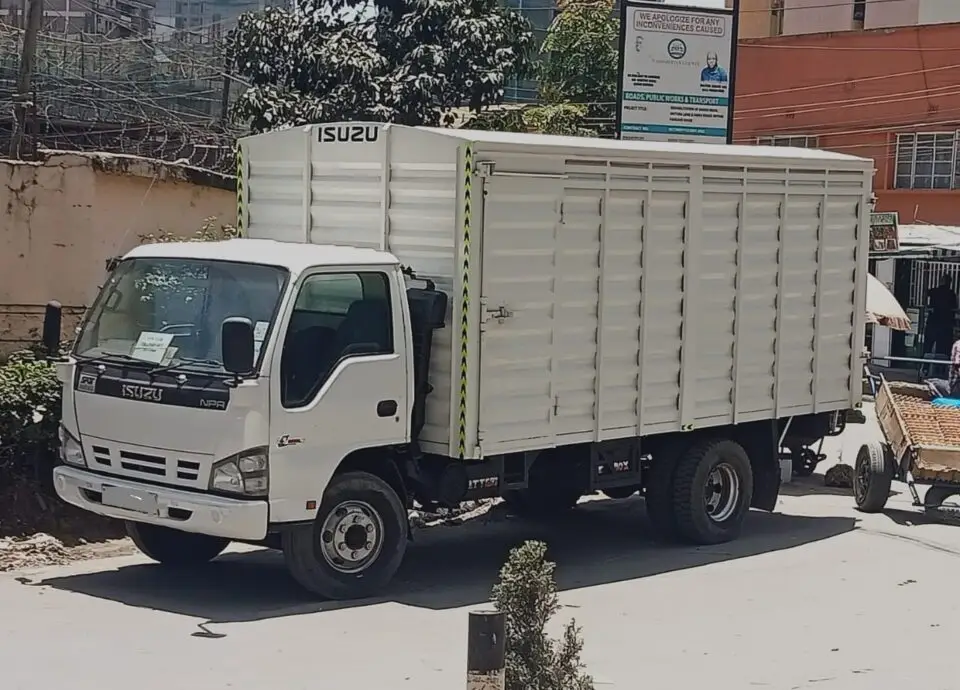
Good packing can still fail if loading is careless. The safest loading style is heavy items at the bottom, balanced across the truck, with fragile cartons on top and secured so they cannot tip.
This matters in Kenya where a “smooth drive” can still include sudden braking, potholes, and steep ramps at apartments and maisonettes.
If you are using professional movers, ask them to place boxes by room when offloading. It cuts down wandering, mix-ups, and missing items.
When professional packing is worth it
Sometimes the best packing tip is knowing when to hand it over. If you have a tight timeline, delicate items, a multi-storey walk-up, or a long-distance route, professional packing reduces risk and saves time.
Dial and Move Kenya supports end-to-end relocation: packing, transport, disassembly and reassembly, optional storage, and insured moves. A pre-move survey and clear labelling plan can also help you budget properly and reduce disruption, especially for office moves where downtime is expensive.
If you still want to pack some items yourself, a blended approach works well: handle personal documents and valuables, then let trained teams take on the fragile sets, bulky furniture, and systematic boxing for the rest.
1 Comment
Yo, checked out 98winvkugzj the other day. Not gonna lie, the interface is slick. Felt like I was actually winning, you know? Definitely worth a look. Check it out for yourself: 98winvkugzj